
Loading data...

MSCA long-tail story

From CogNovo to Telomeres

How an MSCA fellowship helped a hypothesis travel across disciplines

Build trajectories, not only projects.The lasting impact of a fellowship can be a way of asking questions that continues to generate research years later.

This page traces how a Marie Skłodowska-Curie fellowship at CogNovo helped generate a scientific hypothesis that later travelled into independent experimental research and public discussion.

This story began not with a result, but with a way of thinking. During my CogNovo Marie Skłodowska-Curie fellowship at the University of Plymouth, I learned to ask questions across psychology, neuroscience, molecular biology and philosophy of science. One of those questions later became the psilocybin-telomere hypothesis.

Preclinical research only. This page does not make clinical or therapeutic claims.

MSCA-linked path from interdisciplinary fellowship work to independent experimental follow-up.
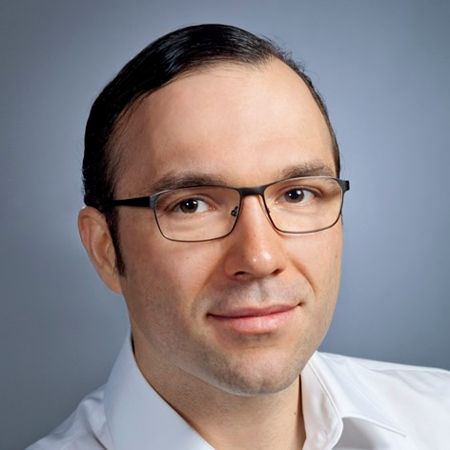
Christopher Germann

Dr Christopher B. Germann

Postdoctoral Researcher, University of Witten/Herdecke, Faculty of Health, School of Medicine
Marie Skłodowska-Curie Alumnus · CogNovo
ORCID: 0000-0002-1573-4651

Christopher Germann’s CogNovo fellowship at the University of Plymouth shaped an interdisciplinary line of inquiry connecting psychology, neuroscience, molecular biology and the philosophy of science. The psilocybin-telomere hypothesis emerged from that environment and later entered a wider research conversation on psychedelics, stress biology and ageing.

The fellowship that connected disciplines

When Christopher Germann joined CogNovo, the Marie Skłodowska-Curie doctoral training programme at the University of Plymouth, the aim was not simply to complete a project, but to learn to think across disciplines. CogNovo brought together psychology, neuroscience, philosophy, computer science, design and the arts. Looking back, one of the most enduring outcomes of the fellowship was not simply learning new methods, but learning a new way of thinking.

At CogNovo, conversations could move from perception and consciousness to molecular mechanisms, ethics, computation and experimental design within the same afternoon. That intellectual freedom made unusual questions feel not only possible, but worth asking.
The fellowship effect continued after the project ended

Their impact is not limited to the projects completed during a fellowship. By fostering curiosity, mobility and genuine interdisciplinarity, Marie Skłodowska-Curie Actions equip researchers to ask questions that might never emerge within a single discipline.

A hypothesis at the intersection of mind, stress biology and ageing

The psilocybin-telomere hypothesis proposed a possible link between serotonergic psychedelic signalling, oxidative stress, telomere dynamics and cellular ageing. It was published in Medical Hypotheses in 2019 as a testable, interdisciplinary idea intended to stimulate further research. It was not presented as a clinical claim, but as a falsifiable research question: could mechanisms usually studied separately - serotonergic signalling, stress biology and cellular ageing - be meaningfully connected?

Read historical background on psilocybin discovery and isolation

The modern Western scientific story of psilocybin is often traced through early reports by Roger Heim on Mazatec divinatory mushrooms collected during the Wassons' 1953 Mexico fieldwork (Heim, 1956), and through R. Gordon Wasson's 1957 Life article, which brought Mazatec mushroom ceremonies in Oaxaca to a wide English-language readership (Wasson, 1957). The deeper cultural history belongs to Indigenous Mesoamerican use, but these accounts helped set the stage for laboratory work on the active compounds.

Wasson also discussed teonanacatl in his Harvard Botanical Museum Leaflets article on the hallucinogenic fungi of Mexico (Wasson, 1961), and later returned to this sacred-mushroom tradition in "The Divine Mushroom of Immortality," published in Peter T. Furst's Flesh of the Gods. In Wasson's writing the Nahuatl term is usually rendered teonanacatl; with modern diacritics it is often written teonanácatl. It is commonly glossed as "flesh of the gods" or "god's flesh": teo-/teotl points to the sacred or divine, while nanacatl refers to mushroom. The phrase is therefore best treated as a sacred ethnomycological gloss rather than a simple botanical label (Wasson, 1961, 1972).

Soon afterwards, Albert Hofmann and colleagues at Sandoz isolated psilocybin from Psilocybe mexicana and reported psilocin as the dephosphorylated psychoactive metabolite (Hofmann et al., 1958, 1959). The reference list retains the original German article titles. That chemical clarification is why contemporary discussions separate the administered prodrug psilocybin from receptor-active psilocin.

From hypothesis to independent experimental work

In 2025, Kato et al. published experimental work in npj Aging reporting that psilocin extended cellular lifespan in human cells and that psilocybin improved survival in aged mice. In their discussion, the authors wrote that their findings support the previously proposed psilocybin-telomere hypothesis.

Preclinical evidence 2025 ageing results
Reported preclinical outcomes

Selected findings from Kato et al. (2025). These results motivate further testing; they do not establish a mechanism or a human treatment.

Human cell models

Replicative lifespan extension

Aged mouse study

Survival at study endpoint

ROS
decreased
NOX4
decreased
NRF2
increased
SIRT1
increased
Telomeres
preserved
p16 / p21
decreased
Human cell models

In replicative-senescence assays, psilocin extended cellular lifespan in human fetal lung fibroblasts and adult skin fibroblasts. The reported pattern included delayed senescence, lower beta-galactosidase activity, reduced p16/p21 cell-cycle arrest markers, preserved telomere length, lower oxidative stress and changes in SIRT1/Nrf2/Nox4-linked stress biology.

Aged mouse study

In 19-month-old female mice, monthly oral psilocybin dosing over 10 months was associated with higher survival at the study endpoint: 80% in the psilocybin group versus 50% in vehicle controls. The authors also described visible fur-quality changes, but those appearance observations were not the main quantitative endpoint.

Interpretation boundary

The results are preclinical and hypothesis-generating. They do not establish an anti-ageing treatment for humans, optimal dosing, long-term safety, sex-general effects or clinical efficacy. They do provide independent experimental support for asking whether serotonergic and systemic stress-biology pathways intersect with hallmarks of ageing.

The important point is not that the hypothesis was later "experimentally corroborated" in a simple sense. It is that an interdisciplinary training environment helped formulate a question precise enough for another laboratory to test.

“Our study provides the first experimental evidence demonstrating that psilocybin impacts hallmarks of aging, supporting the previously proposed ‘psilocybin-telomere hypothesis’.”
Kato et al., npj Aging, 2025

Chemistry, receptor pharmacology and comparative profile

Chemical motif and serotonin similarity Compare structures

The key shared motif is an indole/tryptamine scaffold. Serotonin is 5-hydroxytryptamine; psilocin is 4-hydroxy-N,N-dimethyltryptamine. Psilocybin adds a phosphate ester at the 4-position, making it a more polar prodrug that is dephosphorylated to psilocin before most central pharmacology is expected.

Prodrug Psilocybin

Phosphate ester on a substituted tryptamine scaffold.

Active metabolite Psilocin

4-hydroxy-N,N-dimethyltryptamine.

Endogenous ligand Serotonin

5-hydroxytryptamine.

Psilocybin carries the phosphate ester. Human metabolism generally removes this group to yield psilocin.

5-HT2A and broader receptor binding Binding profile

Scientifically, psilocybin is best treated as a prodrug and psilocin as the principal receptor-active metabolite. The psychedelic subjective effects are most strongly associated with agonist or partial-agonist signalling at serotonin 5-HT2A receptors, especially cortical 5-HT2A systems. Binding at 5-HT2A is necessary for the classic psychedelic profile, but it is not the whole pharmacology.

Published binding work reports that psilocin also has measurable affinity at multiple serotonin receptor subtypes, including 5-HT1A, 5-HT1B, 5-HT1D, 5-HT1E, 5-HT2B, 5-HT2C, 5-HT5A, 5-HT6 and 5-HT7. Broader receptorome screens have also reported weaker or context-dependent interactions outside the serotonin family, including adrenergic alpha receptors, selected dopamine receptors, histamine H1 and the serotonin transporter. The exact rank order depends on assay system, species, radioligand, tissue and whether binding affinity or functional efficacy is being measured.

Overall, psilocin is best described as having a serotonergic polypharmacology centered on 5-HT2A, with additional receptor interactions that may vary across experimental systems.

Human metabolism Why it matters

After oral administration, psilocybin is generally described as a prodrug. It is converted to psilocin mainly through enzymatic dephosphorylation by alkaline phosphatase and related nonspecific phosphatase/esterase activity in the gut, liver, blood and other tissues.

This is why many mechanistic discussions distinguish the administered compound, psilocybin, from the receptor-active metabolite, psilocin. The distinction keeps the chemistry, pharmacology and clinical interpretation clearly separated.

Enzymatic step Alkaline phosphatase

This conversion explains why mechanistic discussions usually distinguish administered psilocybin from receptor-active psilocin.

Nutt et al. 2010 harm comparison Weighted harm scores

Adapted from Figure 2 in Nutt, King and Phillips, The Lancet 2010. The scores separate harms to users from harms to others, providing policy context for relative drug harms in the UK expert panel analysis.

Comparable harm and toxicity-margin indicators

Only comparable values from reliable comparative studies are shown. NR means the value was not reported in that source.

Substance comparison across Nutt et al. harm scores, Lachenmeier and Rehm margin-of-exposure risk categories, and Gable toxicity-margin proxies.
Alcohol72High risk, MOE < 10~10
Heroin55High risk, MOE < 10~6
Crack cocaine54NRNR
Methamphetamine33Risk category, MOE < 100NR
Cocaine27High risk, MOE < 10~15
Tobacco / nicotine26High risk, MOE < 10NR
Amphetamine23Risk category, MOE < 100NR
Cannabis20Low risk; population MOE > 10,000NR
GHB19NR<10
Benzodiazepines15Population MOE > 100NR
Ketamine15NR20-80
Methadone14NR10-20
Mephedrone13NRNR
Butane10NRNR
Khat9NRNR
MDMA / ecstasy9Risk category, MOE < 10010-20
Anabolic steroids9NRNR
LSD7NR>100
Buprenorphine7NRNR
Psilocybin mushrooms6NR~1000

Here, the Nutt score and MOE columns are used as the primary comparative evidence. Gable’s safety ratio is used only as a secondary toxicity-margin comparison. Nutt et al. applied the same multicriteria model across 20 drugs; Lachenmeier and Rehm applied the same MOE risk-assessment method across substances. Gable’s ratios are useful as approximate context, but they rely partly on estimated effective and lethal doses.

  1. Gable, R. S. (2004). Comparison of acute lethal toxicity of commonly abused psychoactive substances. Addiction, 99(6), 686-696. https://doi.org/10.1111/j.1360-0443.2004.00744.x
  2. Lachenmeier, D. W., & Rehm, J. (2015). Comparative risk assessment of alcohol, tobacco, cannabis and other illicit drugs using the margin of exposure approach. Scientific Reports, 5, 8126. https://doi.org/10.1038/srep08126
  3. Nutt, D. J., King, L. A., & Phillips, L. D. (2010). Drug harms in the UK: A multicriteria decision analysis. The Lancet, 376(9752), 1558-1565. https://doi.org/10.1016/S0140-6736(10)61462-6
Comparative dependence profile

Dependence liability

Higher star counts indicate higher dependence/addiction potential. The categories summarize comparative dependence-liability and abuse-potential literature and are provided as research context.

Selected drugs ranked by qualitative dependence potential.
Drug Dependence potential Relative liability
HeroinVery high★★★★★
AlcoholHigh★★★★☆
CocaineHigh★★★★☆
PsilocybinVery low★☆☆☆☆

Treatment research context. In structured psychotherapeutic protocols, psilocybin has been investigated for alcohol, tobacco, and cocaine use disorders. Recent randomized trials report encouraging signals, while replication, active comparators, durable follow-up, and careful attention to blinding remain necessary.

Alcohol use disorder Mixed trial findings

A 2022 randomized trial found fewer heavy-drinking days with psilocybin-assisted psychotherapy. Subsequent 2025 trials were mixed, reinforcing the need to understand protocol, population, and follow-up differences.

Tobacco smoking 2026 pilot RCT

Psilocybin plus cognitive behavioural therapy produced higher biochemically verified prolonged abstinence at six months than nicotine patch plus the same therapy in a pilot randomized trial.

Cocaine use disorder 2026 active-placebo RCT

In a 40-participant trial with manualized psychotherapy, psilocybin was associated with more cocaine-abstinent days and lower lapse risk through 180 days; replication is needed.

These are investigational findings from supervised research protocols—not evidence for unsupervised use or established routine care.

  1. Gable, R. S. (1993). Toward a comparative overview of dependence potential and acute toxicity of psychoactive substances used nonmedically. American Journal of Drug and Alcohol Abuse, 19(3), 263-281. PubMed
  2. Nutt, D. J., King, L. A., & Phillips, L. D. (2010). Drug harms in the UK: A multicriteria decision analysis. The Lancet, 376(9752), 1558-1565. https://doi.org/10.1016/S0140-6736(10)61462-6
  3. Johnson, M. W., Garcia-Romeu, A., Cosimano, M. P., & Griffiths, R. R. (2014). Pilot study of the 5-HT2A receptor agonist psilocybin in the treatment of tobacco addiction. Journal of Psychopharmacology, 28(11), 983-992. PubMed
  4. Bogenschutz, M. P., Forcehimes, A. A., Pommy, J. A., Wilcox, C. E., Barbosa, P. C. R., & Strassman, R. J. (2015). Psilocybin-assisted treatment for alcohol dependence. Journal of Psychopharmacology, 29(3), 289-299. PubMed
  5. Johnson, M. W., Garcia-Romeu, A., & Griffiths, R. R. (2017). Long-term follow-up of psilocybin-facilitated smoking cessation. American Journal of Drug and Alcohol Abuse, 43(1), 55-60. PubMed
  6. Johnson, M. W., Griffiths, R. R., Hendricks, P. S., & Henningfield, J. E. (2018). The abuse potential of medical psilocybin according to the 8 factors of the Controlled Substances Act. Neuropharmacology, 142, 143-166. PubMed
  7. Meshkat, S., Malik, G., Zeifman, R. J., et al. (2025). Efficacy and safety of psilocybin for the treatment of substance use disorders: A systematic review. Neuroscience & Biobehavioral Reviews, 173, 106163. https://doi.org/10.1016/j.neubiorev.2025.106163
  8. Bogenschutz, M. P., Ross, S., Bhatt, S., et al. (2022). Percentage of heavy drinking days following psilocybin-assisted psychotherapy vs placebo in the treatment of adult patients with alcohol use disorder. JAMA Psychiatry, 79(10), 953-962. https://doi.org/10.1001/jamapsychiatry.2022.2096
  9. Luquiens, A., Belahda, D., Graux, C., et al. (2025). Psilocybin in alcohol use disorder and comorbid depressive symptoms: Results from a feasibility randomized clinical trial. Addiction. Advance online publication. https://doi.org/10.1111/add.70152
  10. Rieser, N. M., Bitar, R., Halm, S., et al. (2025). Psilocybin-assisted therapy for relapse prevention in alcohol use disorder: A phase 2 randomized clinical trial. EClinicalMedicine, 82, 103149. https://doi.org/10.1016/j.eclinm.2025.103149
  11. Johnson, M. W., Naudé, G. P., Hendricks, P. S., & Garcia-Romeu, A. (2026). Psilocybin or nicotine patch for smoking cessation: A pilot randomized clinical trial. JAMA Network Open, 9(3), e260972. https://doi.org/10.1001/jamanetworkopen.2026.0972
  12. Hendricks, P. S., Lappan, S. N., Shelton, R. C., et al. (2026). Psilocybin in the treatment of cocaine use disorder: A randomized clinical trial. JAMA Network Open, 9(5), e2611029. https://doi.org/10.1001/jamanetworkopen.2026.11029
  13. Strika-Bruneau, L., Elhssaini, C., Fauvel, B., et al. (2026). Psilocybin-assisted psychotherapy for substance use disorders as a complex intervention: A systematic review of efficacy, mechanisms and psychotherapeutic frameworks. Journal of Psychopharmacology. Advance online publication. https://doi.org/10.1177/02698811261473436

Papers citing the original hypothesis

The citation network below shows how the original hypothesis entered the wider literature. It is included here not as a metric of prestige, but as a living record of how an interdisciplinary idea can move across research communities. The embedded network is rebuilt from current OpenAlex citation metadata and the Psilocybin Research tracker on page load.

OpenAlex data are cached for six hours. If a refresh fails, the last available data retain their original refresh date.

The Psilocybin-Telomere Hypothesis

DOI: 10.1016/j.mehy.2019.109406

Citation email alert Stay up to date

Get a email digest when newly indexed papers cite the psilocybin-telomere hypothesis DOI.

How the digest works

A daily digest checks for newly indexed papers citing this DOI once per day. It sends one email only when new citations are found; on days with no new citing papers, nothing is sent. Weekly and monthly options collect new findings on the same schedule.

Citation network for The Psilocybin-Telomere Hypothesis The original hypothesis paper is shown as the center node, with incoming citations placed around it by recency. 2026 2026 2026 2025 2025 2025 2024 2023 2023 2023 2023 2023 2022 2022 2022 2022 2021 2021 2021 2020 2019 Hypothesis
Read the full citation lists
OpenAlex incoming citations 20 current works
  1. Psychedelics and longevity: implications for lifespan, healthspan and functional aging

    Mark Haden, Birgitta Woods, Tina Woods, Kenneth W. Tupper

    2026-07-05 · Longevity · doi:10.1080/30653495.2026.2696224
  2. Naturally Derived Psilocybin for Therapeutic Use: A Six-Criterion Framework for Evidence, Safety, and Benefit-Risk Considerations in Policy and Clinical Development

    Stefanie Enriquez-Geppert, Lisa Bevers, Arvid Rosander, Peter Fodran et al.

    2026-07-03 · Biomolecules · doi:10.3390/biom16070983
  3. Psychedelics and microglia in aging: unraveling the secret dialogue behind healthy aging, mental health, and neuroinflammation

    Antonio Inserra, Jared VanderZwaag, Antonella Campanale, Colin J. Murray et al.

    2026-01-01 · Elsevier eBooks · doi:10.1016/b978-0-443-27340-7.00008-5
  4. Unlocking the power of tryptamine alkaloids in Psilocybe fungi: chemistry, mental health potential and legal challenges

    Mohammad Reza Mirzadeh, Khalid Moinuddin, Vasso Apostolopoulos, Caine Barlow et al.

    2025-12-08 · Mycological Progress · doi:10.1007/s11557-025-02106-y
  5. Trends and patterns of global health risk factors (2015-2019): a composite index approach across 100 countries stratified by human development index groups

    K. P. Junaid, Tanvi Kiran, Madhu Gupta, Kamal Kishore et al.

    2025-10-11 · Journal of Health Population and Nutrition · doi:10.1186/s41043-025-00945-9
  6. Psilocybin treatment extends cellular lifespan and improves survival of aged mice

    Kosuke Kato, Jennifer Kleinhenz, Yoon-Joo Shin, Cristian Coarfa et al.

    2025-07-08 · npj Aging · doi:10.1038/s41514-025-00244-x
  7. Epigenetic mechanisms of rapid-acting antidepressants

    Antonio Inserra, Antonella Campanale, Tamim Rezai, Patrizia Romualdi et al.

    2024-09-04 · Translational Psychiatry · doi:10.1038/s41398-024-03055-y
  8. The zebrafish for preclinical psilocybin research

    Omer A. Syed, Benjamin Tsang, Robert T. Gerlai

    2023-09-07 · Neuroscience & Biobehavioral Reviews · doi:10.1016/j.neubiorev.2023.105381
  9. A journey with psychedelic mushrooms: From historical relevance to biology, cultivation, medicinal uses, biotechnology, and beyond

    Marco Pepe, Mohsen Hesami, Karla A. de la Cerda, Melissa L. Perreault et al.

    2023-08-31 · Biotechnology Advances · doi:10.1016/j.biotechadv.2023.108247
  10. Sex-Dependent Skin Aging and Rejuvenation Strategies

    Marta Gerasymchuk, Gregory Ian Robinson, Nataliia Vardinska, Samuel Abiola Ayedun et al.

    2023-08-04 · Dermato · doi:10.3390/dermato3030016
  11. Psilocybin decelerates cellular senescence

    Louise Hecker, Kosuke Kato, Jennifer Kleinhenz, Yoon-Joo Shin et al.

    2023-06-27 · Research Square · doi:10.21203/rs.3.rs-2921423/v1
  12. Examining the Rationale for Studying Psychedelic-Assisted Psychotherapy for the Treatment of Caregiver Distress

    Noah D. Gold, Samantha K. Podrebarac, Lindsay A. White, Christina Marini et al.

    2023-03-14 · Psychedelic Medicine · doi:10.1089/psymed.2022.0011
  13. Single-dose psilocybin for treatment-resistant obsessive-compulsive disorder: A case report

    Benjamin Kelmendi, Stephen A. Kichuk, Giuliana DePalmer, Gayle Maloney et al.

    2022-12-01 · Heliyon · doi:10.1016/j.heliyon.2022.e12135
  14. The Missing Piece? A Case for Microglia’s Prominent Role in the Therapeutic Action of Anesthetics, Ketamine, and Psychedelics

    Jared VanderZwaag, Torin Halvorson, Kira Dolhan, Eva Šimončičová et al.

    2022-11-03 · Neurochemical Research · doi:10.1007/s11064-022-03772-0
  15. Association between Lifetime Classic Psychedelic Use and Sick Leave in a Population-Based Sample

    Christin Mellner, Micael Dahlén, Otto Simonsson

    2022-09-09 · International Journal of Environmental Research and Public Health · doi:10.3390/ijerph191811353
  16. Adverse effects of psychedelics: From anecdotes and misinformation to systematic science

    Anne Katrin Schlag, Jacob S. Aday, Iram Salam, Joanna Caroline Neill et al.

    2022-02-02 · Journal of Psychopharmacology · doi:10.1177/02698811211069100
  17. Telomeres: the role of shortening and senescence in major depressive disorder and its therapeutic implications

    Jéssica Daniela Schröder, Julia Beatrice de Araújo, Tácio de Oliveira, Airam Barbosa de Moura et al.

    2021-08-13 · Reviews in the Neurosciences · doi:10.1515/revneuro-2021-0070
  18. Effectiveness of Psilocybin on Depression: A Qualitative Study

    Hisham Alshaikhli, Redhwan Ahmed Al-Naggar, Gwen D. Erlam

    2021-04-27 · Electronic Journal of General Medicine · doi:10.29333/ejgm/10862
  19. Associations between lifetime classic psychedelic use and markers of physical health

    Otto Simonsson, James D. Sexton, Peter S. Hendricks

    2021-03-09 · Journal of Psychopharmacology · doi:10.1177/0269881121996863
  20. Potential safety, benefits, and influence of the placebo effect in microdosing psychedelic drugs: A systematic review

    Genís Oña, José Carlos Bouso

    2020-10-05 · Neuroscience & Biobehavioral Reviews · doi:10.1016/j.neubiorev.2020.09.035

How an MSCA research question travelled

2019

Psilocybin-telomere hypothesis published in Medical Hypotheses.

2025

Kato et al. publish independent experimental follow-up in npj Aging.

2025-2026

Public and media attention, interviews and bibliometric platform work.

Future

Ongoing interdisciplinary research and international collaboration.

From specialist hypothesis to public conversation

Public interest has grown around this work, but the scientific message remains deliberately cautious: the findings are preclinical, and the value of the story lies in how a question moved from fellowship work into experimental research and public conversation.

See more public media and outreach references

Institutional and university coverage

  1. Emory News — Psilocybin delays aging, extends lifespan, new Emory study suggests
  2. EurekAlert (Emory University) — Psilocybin delays aging, extends lifespan, new Emory study suggests
  3. Baylor College of Medicine — Can psychedelic mushrooms turn back the clock?
  4. ScienceDaily — Magic mushrooms rewind aging in mice—could they do the same for humans?

Science and mainstream media

  1. Live Science — I was floored by the data: Psilocybin shows anti-aging properties in early study
  2. Popular Mechanics — Magic Mushrooms Might Be the Key to Longer Human Lives
  3. Popular Mechanics follow-up — Scientists Hunted Down the Psychedelic Key to Slow Aging
  4. Medical News Today — Do shrooms have anti-aging effects?
  5. News-Medical — Psilocybin may have potential to revolutionize anti-aging therapies
  6. Technology Networks — Psychedelics May Slow Aging at the Cellular Level
  7. Fox News — Key to living longer could be tied to surprising substance, study suggests

Longevity and specialist media

  1. Peter Attia MD — A critical look at the lifespan-extending promise of psilocybin
  2. Lifespan.io — A Hallucinogenic Mushroom Compound Extends Mouse Lifespan
  3. Fight Aging! — Psilocybin as a Geroprotective Drug
  4. Bio-IT World — Psilocybin Being Investigated as an Anti-Aging Agent

Podcasts and interviews

  1. Foodie Pharmacology / Nature's Pharmacy — Psilocybin and the Fountain of Youth
  2. David Rönnlid Podcast — Psilocybin Improves Survival in Aged Mice
  3. Longevity by Design — Can Psychedelic Mushrooms Slow Aging?
  4. Longevity & Lifestyle Podcast — Can Psilocybin Slow Aging? The First Study on Telomeres
  5. Passing Through Podcast — Can Psychedelic Mushrooms Slow Aging?
  6. Mind & Matter Podcast — Scarring, Fibrosis, Oxidative Stress, and Psilocybin & Aging

YouTube

  1. Can Psilocybin Improve Human Health Span and the Biology of Ageing?
  2. Scarring, Fibrosis, Oxidative Stress, and Psilocybin & Aging

Additional public coverage

  1. Medical Independent — Fungi to be with...
  2. FoodMedCenter — Psilocybin: The Cellular Fountain of Youth
  3. Mycoverse Foundation — Cell Rejuvenation Through Psilocybin
  4. Zukunftsessen — Magic Mushrooms und Longevity
  5. Next Level Smart — Psilocybin and Longevity: What the 2025 Research Actually Showed

All experimental findings described here are preclinical. This page follows how an MSCA-shaped question moved into later research and public discussion; it does not make clinical or therapeutic claims.

Mapping the field

The wider website maps the scientific literature around psilocybin, psychedelics, ageing and related fields. On this page, that broader research landscape provides context for one MSCA-shaped line of inquiry.

Publication graph4,000+ records
Source contextPubMed / Crossref / OpenAlex
Research lensAgeing, trials, reviews
OutputsBibTeX / RIS / JSON / SQLite
Publication research trend Publication time series

Psilocybin research is gaining momentum

3,986 records since 2020

Build lines of inquiry — not only projects

Looking back, the most valuable outcome of my MSCA fellowship was not only a publication or a project milestone. It was learning how to build bridges between fields - and how to formulate questions that other researchers could later take further. Some of the most rewarding research questions emerge not within established disciplines, but at the boundaries between them.

Think across disciplines

Some questions become visible only when methods, concepts and communities meet.

Formulate testable questions

A speculative idea is most useful when it can invite careful experimental scrutiny.

Build lasting questions

The most enduring outcome of an MSCA fellowship may not be a single publication, but a way of thinking that continues to generate new questions and collaborations years later.

MSCA did not only fund a project; it helped shape a way of asking questions that continued to travel.

References

BibTeX
Book cover of the MCAA MSCA Impact Report 2025

Impact of the Marie Skłodowska-Curie Actions (MSCA): Driving Knowledge, Innovation, and EU Competitiveness (2025).

© Marie Curie Alumni Association. Licensed under CC BY 4.0.