
正在装入数据...

MSCA:科研的长期影响

从 CogNovo 到端粒

MSCA 奖学金如何帮助假设跨学科传播

构建研究轨迹,而不只是完成项目。一项研究资助的持久影响,可能是一种提出问题的方式,多年后仍能不断催生新的研究。

本页追溯了 CogNovo 的 Marie Skłodowska-Curie 奖学金如何帮助产生一个科学假设,该假设后来进入了独立实验研究和公众讨论。

这个故事的开始不是一个结果,而是一种思维方式。在普利茅斯大学获得 CogNovo Marie Skłodowska-Curie 奖学金期间,我学会了提出心理学、神经科学、分子生物学和科学哲学方面的问题。这些问题之一后来成为裸盖菇素端粒假说。

仅临床前研究。本页不做出临床或治疗声明。

从跨学科研究金工作到独立实验随访的 MSCA 相关路径。
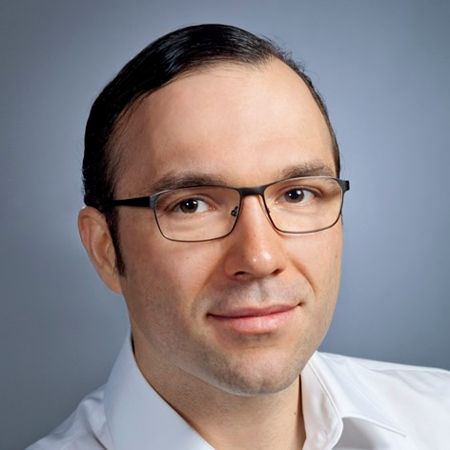
克里斯托弗·日耳曼(德语:

Dr Christopher B. Germann

博士后研究员, University of Witten/Herdecke, 健康学院,医学院
Marie Skłodowska-Curie 项目校友 · CogNovo
ORCID: 0000-0002-1573-4651

Christopher Germann 在普利茅斯大学的 CogNovo 奖学金塑造了一条连接心理学、神经科学、分子生物学和科学哲学的跨学科研究路线。裸盖菇素端粒假说就是在这种环境下产生的,后来进入了有关迷幻药、应激生物学和衰老的更广泛的研究对话。

连接学科的奖学金

当 Christopher Germann 加入普利茅斯大学 Marie Skłodowska-Curie 博士培训项目 CogNovo 时,目的不仅仅是完成一个项目,而是学会跨学科思考。 CogNovo 汇集了心理学、神经科学、哲学、计算机科学、设计和艺术。回顾过去,该奖学金最持久的成果之一不仅仅是学习新方法,而是学习一种新的思维方式。

在 CogNovo,对话可以在同一下午从感知和意识转向分子机制、伦理、计算和实验设计。这种知识自由让不寻常的问题不仅成为可能,而且值得提出。
项目结束后,奖学金效应仍在继续

他们的影响不仅限于在奖学金期间完成的项目。通过培养好奇心、流动性和真正的跨学科性,玛丽·斯克沃多夫斯卡-居里行动使研究人员能够提出在单一学科中可能永远不会出现的问题。

心智、压力生物学和衰老交叉点的假设

裸盖菇素-端粒假说提出了血清素能迷幻信号、氧化应激、端粒动力学和细胞衰老之间可能存在的联系。它发表于 Medical Hypotheses 2019 年,作为一个可测试的跨学科想法,旨在刺激进一步的研究。它并不是作为临床主张,而是作为一个可证伪的研究问题:通常单独研究的机制——血清素信号传导、应激生物学和细胞衰老——是否可以有意义地联系起来?

了解裸盖菇素的发现和分离的历史背景

裸盖菇素的现代西方科学故事通常可以通过 Roger Heim 对 Wasson 夫妇 1953 年墨西哥实地考察期间收集的马萨特克占卜蘑菇的早期报告(Heim,1956)和 R. Gordon Wasson 1957 年的报告来追溯。 Life 文章,该文章将瓦哈卡州的马萨特克蘑菇仪式带给了广大英语读者(Wasson,1957)。更深层的文化历史属于中美洲土著的使用,但这些记载为活性化合物的实验室工作奠定了基础。

沃森还讨论了 teonanacatl 在他的哈佛植物博物馆传单上关于墨西哥致幻真菌的文章中(Wasson,1961),后来在 Peter T. Furst 出版的《不朽的神圣蘑菇》中又回到了这种神圣的蘑菇传统。 Flesh of the Gods。在沃森的著作中,纳瓦特尔语术语通常被翻译为 teonanacatl;用现代变音符号通常写成 teonanácatl。它通常被解释为“众神的肉身”或“神的肉身”: teo-/teotl 指向神圣或神圣,而 nanacatl 指蘑菇。因此,最好将这个短语视为神圣的民族真菌学注释,而不是简单的植物学标签(Wasson,1961,1972)。

不久之后,阿尔伯特·霍夫曼 (Albert Hofmann) 和山德士 (Sandoz) 的同事从其中分离出了裸盖菇素 Psilocybe mexicana 并报告裸盖菇辛是去磷酸化后的精神活性代谢物(Hofmann等,1958、1959)。参考文献保留原始德语论文标题。这一化学区别说明了为什么当代研究区分给药前药裸盖菇素与受体活性代谢物裸盖菇辛。

从假设到独立实验工作

2025年时, 加藤 等人。发表实验工作 npj Aging 报告称裸盖菇素可延长人类细胞的寿命,裸盖菇素可提高老年小鼠的存活率。在讨论中,作者写道,他们的发现支持之前提出的裸盖菇素端粒假说。

临床前证据 2025年老化结果
报告的临床前结果

加藤等人的选定研究结果。 (2025)。这些结果激发了进一步的测试;他们没有建立机制或人性化治疗。

人体细胞模型

复制寿命延长

老年小鼠研究

研究终点时的生存率

活性氧
减少
氮氧化物4
减少
NRF2
增加
SIRT1
增加
端粒
保留
p16/第21页
减少
人体细胞模型

在复制性衰老实验中,裸盖菇辛延长了人胎肺成纤维细胞和成人皮肤成纤维细胞的细胞寿命。报告结果包括衰老延迟、β-半乳糖苷酶活性降低、细胞周期停滞标志物p16/p21减少、端粒长度保持、氧化应激降低,以及SIRT1/Nrf2/Nox4相关应激过程的变化。

老年小鼠研究

在19月龄雌性小鼠中,连续10个月每月口服裸盖菇素,与研究终点更高的存活率有关:裸盖菇素组80%,溶剂对照组50%。作者还描述了可见的毛发质量变化,但这些外观观察并非主要的定量终点。

解释边界

结果是临床前的和假设生成的。他们没有建立人类抗衰老治疗方法、最佳剂量、长期安全性、性别一般效应或临床疗效。他们确实为询问血清素能和系统性应激生物学途径是否与衰老特征相交叉提供了独立的实验支持。

重要的一点并不是这个假设后来得到了简单意义上的“实验证实”。跨学科的培训环境帮助制定了一个足够精确的问题,可供另一个实验室进行测试。

“Our study provides the first experimental evidence demonstrating that psilocybin impacts hallmarks of aging, supporting the previously proposed ‘psilocybin-telomere hypothesis’.”
Kato et al., npj Aging, 2025

化学、受体药理学和比较概况

化学基序和血清素相似性 比较结构

共同的核心结构是吲哚/色胺骨架。血清素是5-羟色胺;裸盖菇辛是4-羟基-N,N-二甲基色胺。裸盖菇素在4位带有磷酸酯基团,是极性更强的前药,在产生大部分中枢药理作用前会脱磷酸化为裸盖菇辛。

前药 裸盖菇素

取代的色胺支架上的磷酸酯。

活性代谢物 裸盖菇辛

4-hydroxy-N,N-dimethyltryptamine.

内源配体 血清素

5-hydroxytryptamine.

裸盖菇素带有磷酸酯。人体新陈代谢通常会去除该基团以产生裸头菌素。

5-HT2A 和更广泛的受体结合 受体结合特征

裸盖菇素应被视为前药,裸盖菇辛是主要的受体活性代谢物。主观迷幻效应主要与血清素5-HT2A受体上的激动或部分激动作用有关,尤其是大脑皮层中的5-HT2A系统。与5-HT2A结合是典型迷幻作用的必要条件,但并不代表全部药理作用。

已发表的结合研究显示,裸盖菇辛对血清素受体亚型5-HT1A, 5-HT1B, 5-HT1D, 5-HT1E, 5-HT2B, 5-HT2C, 5-HT5A, 5-HT6, 5-HT7也具有可测的亲和力。更广泛的筛查还报告了与α肾上腺素能受体、部分多巴胺受体、组胺H1受体及血清素转运体的较弱或条件依赖性相互作用。具体亲和力排序取决于实验体系、物种、放射性配体、组织,以及测量的是结合亲和力还是功能效能。

总体而言,裸盖菇辛最好的描述是具有以 5-HT2A 为中心的血清素多药理作用,以及其他受体相互作用,这些相互作用可能因实验系统而异。

人体新陈代谢 为什么这很重要

口服给药后,裸盖菇素通常被描述为前药。它主要通过肠道、肝脏、血液和其他组织中碱性磷酸酶的酶促去磷酸化和相关的非特异性磷酸酶/酯酶活性转化为裸盖菇辛。

这就是为什么许多机制讨论将所施用的化合物裸盖菇素与受体活性代谢物裸盖菇素区分开来。这种区别使化学、药理学和临床解释清晰分开。

酶促步骤 碱性磷酸酶

这一转化解释了为什么机制研究通常区分给药的裸盖菇素与受体活性代谢物裸盖菇辛。

纳特等人。 2010年危害比较 加权伤害分数

改编自 Nutt、King 和 Phillips 中的图 2, The Lancet 2010 年。这些分数将对使用者的伤害与对他人的伤害分开,为英国专家小组分析中的相对药物伤害提供了政策背景。

可比较的危害和毒性限度指标

仅显示来自可靠比较研究的可比值。 国家 表示该来源中未报告该值。

Nutt 等人的物质比较。危害评分、Lachenmeier 和 Rehm 暴露边际风险类别以及 Gable 毒性边际代理。
酒精72国高风险,MOE < 10~10 个
海洛因页:1高风险,MOE < 10~6 个
快克可卡因54个国家国家
冰毒第33条风险类别,MOE < 100国家
可卡因27个高风险,MOE < 10~15岁
烟草/尼古丁第26条高风险,MOE < 10国家
安非他明第23条风险类别,MOE < 100国家
大麻20风险低;人口 MOE > 10,000国家
GHB第19条国家< 10 个
苯二氮卓类15个人口 MOE > 100国家
氯胺酮15个国家20-80 (中文(简体) ).
美沙酮第 14 条国家10-20 (中文(简体) ).
甲氧麻黄酮13个国家国家
丁烷10个国家国家
卡塔叶第9条国家国家
摇头丸/摇头丸第9条风险类别,MOE < 10010-20 (中文(简体) ).
合成代谢类固醇第9条国家国家
迷幻剂页:1国家> 100 个
丁丙诺啡页:1国家国家
裸盖菇素蘑菇6个国家~ 1 000 个

这里,Nutt 评分和 MOE 列被用作主要比较证据。盖博的安全比仅用作次要毒性裕度比较。纳特等人。对 20 种药物应用相同的多标准模型; Lachenmeier 和 Rehm 对各种物质应用了相同的 MOE 风险评估方法。盖博的比率可作为近似背景,但它们部分依赖于估计的有效剂量和致死剂量。

  1. Gable, R. S. (2004). Comparison of acute lethal toxicity of commonly abused psychoactive substances. Addiction, 99(6), 686–696 (中文(简体) ). https://doi.org/10.1111/j.1360-0443.2004.00744.x
  2. Lachenmeier, D. W., & Rehm, J. (2015). Comparative risk assessment of alcohol, tobacco, cannabis and other illicit drugs using the margin of exposure approach. Scientific Reports, 5, 8126 (中文(简体) ). https://doi.org/10.1038/srep08126
  3. Nutt, D. J., King, L. A., & Phillips, L. D. (2010). Drug harms in the UK: A multicriteria decision analysis. The Lancet, 376(9752), 1558–1565 (英语). https://doi.org/10.1016/S0140-6736(10)61462-6
比较依赖性概况

产生依赖的风险

星星数越高表明依赖性/成瘾潜力越高。这些类别总结了相对依赖责任和滥用潜力文献,并作为研究背景提供。

所选药物按质量依赖性潜力排名。
物质 潜在依赖 相对依赖风险
海洛因非常高★★★★★
酒精高★★★★☆
可卡因高★★★★☆
裸盖菇素很低★☆☆☆☆

治疗研究背景。 研究者在结构化心理治疗方案中,探索了裸盖菇素对酒精、烟草及可卡因使用障碍的作用。近期随机试验显示出有希望的结果,但仍需要重复验证、活性对照、长期随访,以及对盲法实施情况的审慎评估。

酒精使用障碍 试验结果好坏参半

2022年的一项随机试验发现,裸盖菇素辅助心理治疗可减少大量饮酒天数。随后2025年的试验结果并不一致,提示需要进一步理解研究方案、参与人群和随访方式的差异。

吸烟 2026 年试点随机对照试验

一项随机先导试验发现,裸盖菇素联合认知行为治疗的六个月持续戒烟率,经生化指标验证后,高于尼古丁贴片联合相同治疗。

可卡因使用障碍 2026 主动安慰剂随机对照试验

一项纳入40名参与者、采用手册规范化心理治疗的试验发现,裸盖菇素与180天内更多的可卡因戒断天数及更低的再次使用风险有关。结果仍需重复研究验证。

这些是监督研究方案的调查结果,而不是无监督使用或既定常规护理的证据。

  1. Gable, R. S. (1993). Toward a comparative overview of dependence potential and acute toxicity of psychoactive substances used nonmedically. 美国药物和酒精滥用杂志,19(3),263-281页. 考研
  2. Nutt, D. J., King, L. A., & Phillips, L. D. (2010). Drug harms in the UK: A multicriteria decision analysis. The Lancet, 376(9752), 1558–1565 (英语). https://doi.org/10.1016/S0140-6736(10)61462-6
  3. Johnson, M. W., Garcia-Romeu, A., Cosimano, M. P., & Griffiths, R. R. (2014). Pilot study of the 5-HT2A receptor agonist psilocybin in the treatment of tobacco addiction. Journal of Psychopharmacology, 28(11), 983–992. (中文(简体) ). 考研
  4. Bogenschutz, M. P., Forcehimes, A. A., Pommy, J. A., Wilcox, C. E., Barbosa, P. C. R., & Strassman, R. J. (2015). Psilocybin-assisted treatment for alcohol dependence. Journal of Psychopharmacology, 29(3),第289-299页. 考研
  5. Johnson, M. W., Garcia-Romeu, A., & Griffiths, R. R. (2017). Long-term follow-up of psilocybin-facilitated smoking cessation. 美国药物和酒精滥用杂志,43(1), 55–60 (中文(简体) ). 考研
  6. Johnson, M. W., Griffiths, R. R., Hendricks, P. S., & Henningfield, J. E. (2018). The abuse potential of medical psilocybin according to the 8 factors of the Controlled Substances Act. Neuropharmacology, 142, 143-166 (中文(简体) ). 考研
  7. Meshkat, S., Malik, G., Zeifman, R. J., et al. (2025). Efficacy and safety of psilocybin for the treatment of substance use disorders: A systematic review. 神经科学与生物行为评论,173页:1 https://doi.org/10.1016/j.neubiorev.2025.106163
  8. Bogenschutz, M. P., Ross, S., Bhatt, S., et al. (2022). Percentage of heavy drinking days following psilocybin-assisted psychotherapy vs placebo in the treatment of adult patients with alcohol use disorder. JAMA Psychiatry, 79(10), 953–962. (中文(简体) ). https://doi.org/10.1001/jamapsychiatry.2022.2096
  9. Luquiens, A., Belahda, D., Graux, C., et al. (2025). Psilocybin in alcohol use disorder and comorbid depressive symptoms: Results from a feasibility randomized clinical trial. 成瘾。提前在线出版。 https://doi.org/10.1111/add.70152
  10. Rieser, N. M., Bitar, R., Halm, S., et al. (2025). Psilocybin-assisted therapy for relapse prevention in alcohol use disorder: A phase 2 randomized clinical trial. EClinicalMedicine, 82, 103149 (英语). https://doi.org/10.1016/j.eclinm.2025.103149
  11. Johnson, M. W., Naudé, G. P., Hendricks, P. S., & Garcia-Romeu, A. (2026). Psilocybin or nicotine patch for smoking cessation: A pilot randomized clinical trial. JAMA Network Open, 9(3),e260972 (中文(简体) ). https://doi.org/10.1001/jamanetworkopen.2026.0972
  12. Hendricks, P. S., Lappan, S. N., Shelton, R. C., et al. (2026). Psilocybin in the treatment of cocaine use disorder: A randomized clinical trial. JAMA Network Open, 9(5), e2611029 (中文(简体) ). https://doi.org/10.1001/jamanetworkopen.2026.11029
  13. Strika-Bruneau, L., Elhssaini, C., Fauvel, B., et al. (2026). Psilocybin-assisted psychotherapy for substance use disorders as a complex intervention: A systematic review of efficacy, mechanisms and psychotherapeutic frameworks. Journal of Psychopharmacology。提前在线出版。 https://doi.org/10.1177/02698811261473436

引用原始假设的论文

下面的引用网络显示了原始假设如何进入更广泛的文献。它在这里并不是作为声望的衡量标准,而是作为跨学科思想如何跨研究界传播的活生生的记录。嵌入式网络是根据当前 OpenAlex 引文元数据和页面加载时的 Psilocybin Research 跟踪器重建的。

OpenAlex数据缓存六小时。如果更新失败,最近可用的数据会保留原来的更新日期。

裸盖菇素端粒假说

数字编号: 10.1016/j.mehy.2019.109406

引文电子邮件提醒 保持最新状态

当新索引的论文引用裸盖菇素端粒假说 DOI 时,获取电子邮件摘要。

摘要如何运作

每日摘要每天检查一次引用此 DOI 的新索引论文。仅当发现新引用时才发送一封电子邮件;在没有新施引论文的日子里,不会发送任何内容。每周和每月选项按相同的时间表收集新发现。

Citation network for The Psilocybin-Telomere Hypothesis The original hypothesis paper is shown as the center node, with incoming citations placed around it by recency. 2026 2026 2026 2025 2025 2025 2024 2023 2023 2023 2023 2023 2022 2022 2022 2022 2021 2021 2021 2020 2019 Hypothesis
阅读完整的引文列表
OpenAlex 传入引用 20件当前作品
  1. Psychedelics and longevity: implications for lifespan, healthspan and functional aging

    Mark Haden, Birgitta Woods, Tina Woods, Kenneth W. Tupper

    2026-07-05 · Longevity · doi:10.1080/30653495.2026.2696224
  2. Naturally Derived Psilocybin for Therapeutic Use: A Six-Criterion Framework for Evidence, Safety, and Benefit-Risk Considerations in Policy and Clinical Development

    Stefanie Enriquez-Geppert, Lisa Bevers, Arvid Rosander, Peter Fodran et al.

    2026-07-03 · Biomolecules · doi:10.3390/biom16070983
  3. Psychedelics and microglia in aging: unraveling the secret dialogue behind healthy aging, mental health, and neuroinflammation

    Antonio Inserra, Jared VanderZwaag, Antonella Campanale, Colin J. Murray et al.

    2026-01-01 · Elsevier eBooks · doi:10.1016/b978-0-443-27340-7.00008-5
  4. Unlocking the power of tryptamine alkaloids in Psilocybe fungi: chemistry, mental health potential and legal challenges

    Mohammad Reza Mirzadeh, Khalid Moinuddin, Vasso Apostolopoulos, Caine Barlow et al.

    2025-12-08 · Mycological Progress · doi:10.1007/s11557-025-02106-y
  5. Trends and patterns of global health risk factors (2015-2019): a composite index approach across 100 countries stratified by human development index groups

    K. P. Junaid, Tanvi Kiran, Madhu Gupta, Kamal Kishore et al.

    2025-10-11 · Journal of Health Population and Nutrition · doi:10.1186/s41043-025-00945-9
  6. Psilocybin treatment extends cellular lifespan and improves survival of aged mice

    Kosuke Kato, Jennifer Kleinhenz, Yoon-Joo Shin, Cristian Coarfa et al.

    2025-07-08 · npj Aging · doi:10.1038/s41514-025-00244-x
  7. Epigenetic mechanisms of rapid-acting antidepressants

    Antonio Inserra, Antonella Campanale, Tamim Rezai, Patrizia Romualdi et al.

    2024-09-04 · Translational Psychiatry · doi:10.1038/s41398-024-03055-y
  8. The zebrafish for preclinical psilocybin research

    Omer A. Syed, Benjamin Tsang, Robert T. Gerlai

    2023-09-07 · Neuroscience & Biobehavioral Reviews · doi:10.1016/j.neubiorev.2023.105381
  9. A journey with psychedelic mushrooms: From historical relevance to biology, cultivation, medicinal uses, biotechnology, and beyond

    Marco Pepe, Mohsen Hesami, Karla A. de la Cerda, Melissa L. Perreault et al.

    2023-08-31 · Biotechnology Advances · doi:10.1016/j.biotechadv.2023.108247
  10. Sex-Dependent Skin Aging and Rejuvenation Strategies

    Marta Gerasymchuk, Gregory Ian Robinson, Nataliia Vardinska, Samuel Abiola Ayedun et al.

    2023-08-04 · Dermato · doi:10.3390/dermato3030016
  11. Psilocybin decelerates cellular senescence

    Louise Hecker, Kosuke Kato, Jennifer Kleinhenz, Yoon-Joo Shin et al.

    2023-06-27 · Research Square · doi:10.21203/rs.3.rs-2921423/v1
  12. Examining the Rationale for Studying Psychedelic-Assisted Psychotherapy for the Treatment of Caregiver Distress

    Noah D. Gold, Samantha K. Podrebarac, Lindsay A. White, Christina Marini et al.

    2023-03-14 · Psychedelic Medicine · doi:10.1089/psymed.2022.0011
  13. Single-dose psilocybin for treatment-resistant obsessive-compulsive disorder: A case report

    Benjamin Kelmendi, Stephen A. Kichuk, Giuliana DePalmer, Gayle Maloney et al.

    2022-12-01 · Heliyon · doi:10.1016/j.heliyon.2022.e12135
  14. The Missing Piece? A Case for Microglia’s Prominent Role in the Therapeutic Action of Anesthetics, Ketamine, and Psychedelics

    Jared VanderZwaag, Torin Halvorson, Kira Dolhan, Eva Šimončičová et al.

    2022-11-03 · Neurochemical Research · doi:10.1007/s11064-022-03772-0
  15. Association between Lifetime Classic Psychedelic Use and Sick Leave in a Population-Based Sample

    Christin Mellner, Micael Dahlén, Otto Simonsson

    2022-09-09 · International Journal of Environmental Research and Public Health · doi:10.3390/ijerph191811353
  16. Adverse effects of psychedelics: From anecdotes and misinformation to systematic science

    Anne Katrin Schlag, Jacob S. Aday, Iram Salam, Joanna Caroline Neill et al.

    2022-02-02 · Journal of Psychopharmacology · doi:10.1177/02698811211069100
  17. Telomeres: the role of shortening and senescence in major depressive disorder and its therapeutic implications

    Jéssica Daniela Schröder, Julia Beatrice de Araújo, Tácio de Oliveira, Airam Barbosa de Moura et al.

    2021-08-13 · Reviews in the Neurosciences · doi:10.1515/revneuro-2021-0070
  18. Effectiveness of Psilocybin on Depression: A Qualitative Study

    Hisham Alshaikhli, Redhwan Ahmed Al-Naggar, Gwen D. Erlam

    2021-04-27 · Electronic Journal of General Medicine · doi:10.29333/ejgm/10862
  19. Associations between lifetime classic psychedelic use and markers of physical health

    Otto Simonsson, James D. Sexton, Peter S. Hendricks

    2021-03-09 · Journal of Psychopharmacology · doi:10.1177/0269881121996863
  20. Potential safety, benefits, and influence of the placebo effect in microdosing psychedelic drugs: A systematic review

    Genís Oña, José Carlos Bouso

    2020-10-05 · Neuroscience & Biobehavioral Reviews · doi:10.1016/j.neubiorev.2020.09.035

一个MSCA研究问题的发展历程

2019

裸盖菇素端粒假说发表于 Medical Hypotheses。 。 。 。

2025

加藤 等人。发表独立实验后续 npj Aging。 。 。 。

2025–2026

公众和媒体关注、采访和文献计量平台工作。

未来

持续进行跨学科研究和国际合作。

从专家假设到公开对话

公众对这项工作的兴趣日益浓厚,但科学信息仍然刻意谨慎:研究结果是临床前的,故事的价值在于问题如何从奖学金工作转变为实验研究和公共对话。

查看更多公共媒体和外展参考资料

机构和大学覆盖范围

  1. Emory News — Psilocybin delays aging, extends lifespan, new Emory study suggests
  2. EurekAlert (Emory University) — Psilocybin delays aging, extends lifespan, new Emory study suggests
  3. Baylor College of Medicine — Can psychedelic mushrooms turn back the clock?
  4. ScienceDaily — Magic mushrooms rewind aging in mice—could they do the same for humans?

科学与主流媒体

  1. Live Science — I was floored by the data: Psilocybin shows anti-aging properties in early study
  2. Popular Mechanics — Magic Mushrooms Might Be the Key to Longer Human Lives
  3. Popular Mechanics follow-up — Scientists Hunted Down the Psychedelic Key to Slow Aging
  4. Medical News Today — Do shrooms have anti-aging effects?
  5. News-Medical — Psilocybin may have potential to revolutionize anti-aging therapies
  6. Technology Networks — Psychedelics May Slow Aging at the Cellular Level
  7. Fox News — Key to living longer could be tied to surprising substance, study suggests

长寿和专业媒体

  1. Peter Attia MD — A critical look at the lifespan-extending promise of psilocybin
  2. Lifespan.io — A Hallucinogenic Mushroom Compound Extends Mouse Lifespan
  3. Fight Aging! — Psilocybin as a Geroprotective Drug
  4. Bio-IT World — Psilocybin Being Investigated as an Anti-Aging Agent

播客和采访

  1. Foodie Pharmacology / Nature's Pharmacy — Psilocybin and the Fountain of Youth
  2. David Rönnlid Podcast — Psilocybin Improves Survival in Aged Mice
  3. Longevity by Design — Can Psychedelic Mushrooms Slow Aging?
  4. Longevity & Lifestyle Podcast — Can Psilocybin Slow Aging? The First Study on Telomeres
  5. Passing Through Podcast — Can Psychedelic Mushrooms Slow Aging?
  6. Mind & Matter Podcast — Scarring, Fibrosis, Oxidative Stress, and Psilocybin & Aging

YouTube

  1. Can Psilocybin Improve Human Health Span and the Biology of Ageing?
  2. Scarring, Fibrosis, Oxidative Stress, and Psilocybin & Aging

额外的公众报道

  1. 医疗独立——真菌与...
  2. FoodMedCenter — Psilocybin: The Cellular Fountain of Youth
  3. Mycoverse Foundation — Cell Rejuvenation Through Psilocybin
  4. Zukunftsessen — 神奇蘑菇和长寿
  5. Next Level Smart — Psilocybin and Longevity: What the 2025 Research Actually Showed

这里描述的所有实验结果都是临床前的。本页讲述了一个 MSCA 型问题如何进入后来的研究和公众讨论;它不做出临床或治疗声明。

绘制田野地图

更广泛的网站绘制了有关裸盖菇素、迷幻药、衰老及相关领域的科学文献。在本页中,更广泛的研究领域为 MSCA 形状的调查线提供了背景。

出版图4,000 多条记录
源上下文PubMed / Crossref / OpenAlex
研究镜头老化、试验、评论
输出BibTeX / RIS / JSON / SQLite
发表研究趋势 出版时间系列

裸盖菇素研究势头强劲

3,986 2020年以来的记录

建立调查渠道——不仅仅是项目

回顾过去,我的 MSCA 奖学金最有价值的成果不仅仅是一份出版物或一个项目里程碑。它正在学习如何在不同领域之间建立桥梁,以及如何提出其他研究人员随后可以进一步研究的问题。一些最有价值的研究问题不是出现在既定学科内,而是出现在它们之间的边界处。

跨学科思考

有些问题只有当方法、概念和社区相遇时才变得可见。

提出可检验的问题

当一个推测性的想法可以引起仔细的实验审查时,它是最有用的。

建立持久的问题

MSCA 奖学金最持久的成果可能不是单一出版物,而是一种在多年后继续产生新问题和合作的思维方式。

MSCA 不仅资助一个项目,而且还资助一个项目。它帮助形成了一种持续传播的提问方式。

参考文献

围兜特克斯
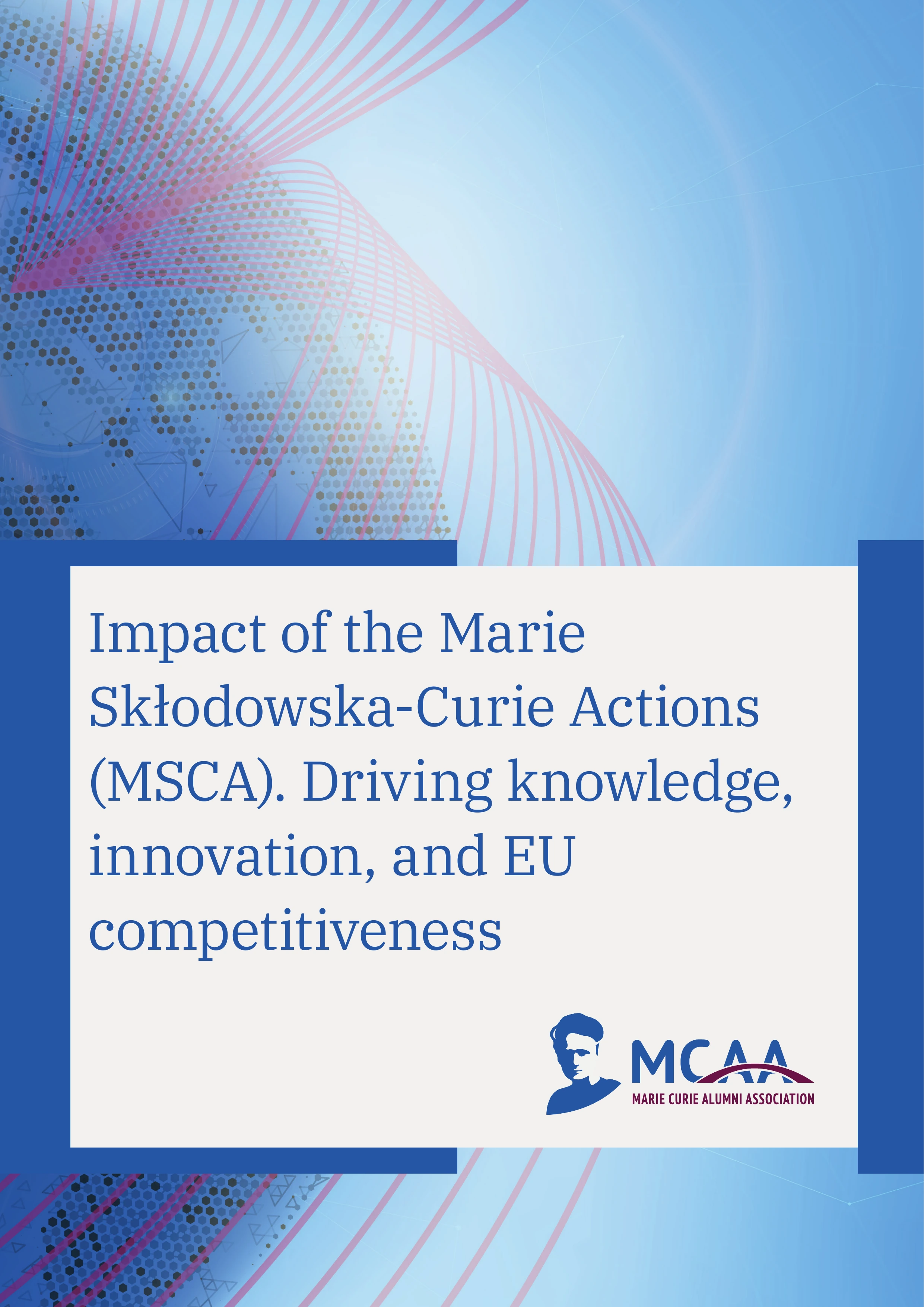
Book cover of the MCAA MSCA Impact Report 2025

Impact of the Marie Skłodowska-Curie Actions (MSCA): Driving Knowledge, Innovation, and EU Competitiveness (2025).

© Marie Curie Alumni Association. Licensed under CC BY 4.0.